Why the Bedroom Temperature Drop Matters More Than Any Nighttime Routine Step
Most nighttime routines pile on rituals — dim lights, herbal tea, a book — while skipping the single variable that actually triggers sleep onset biologically: a drop in core body temperature, which a warm bedroom can block no matter how good the rest of the routine is.
Why Body Temperature Timing Controls Sleep Onset More Than Any Ritual
The core mechanism: the core-body-temperature-must-drop-for-sleep-onset-to-begin (the internal temperature dip being one of the actual physiological triggers the brain uses to initiate sleep — the temperature-drop-triggers-onset), the the-a-warm-room-slows-or-blocks-that-drop (the ambient heat working directly against the body’s own cooling process regardless of how relaxed someone feels — the warm-room-blocks-cooling), the the-relaxation-rituals-dont-override-a-temperature-thats-fighting-them (the calming activities doing real but separate work that a hot room can still undercut — the rituals-dont-override-temperature), and the reframe (temperature being a physiological lever the brain depends on, not an optional comfort preference that rituals can compensate for).

The Specific Cooling Window Most People Miss
What actually helps: the cool-the-room-roughly-one-to-two-hours-before-bed (the giving the space time to actually drop in temperature rather than adjusting it right at bedtime — the pre-cool-the-room-window), the the-target-range-is-typically-cooler-than-most-bedrooms-run (the most comfortable-feeling bedroom temperature often sitting above the range that actually supports sleep onset — the comfortable-isnt-always-optimal), the the-a-warm-shower-before-bed-can-help-by-triggering-post-shower-cooling (the body’s post-shower temperature drop mimicking and reinforcing the natural sleep-onset dip — the warm-shower-cooling-effect), and the frame (pre-cooling the room on a timer and using a warm shower’s rebound cooling effect being two concrete levers most nighttime routines never touch).
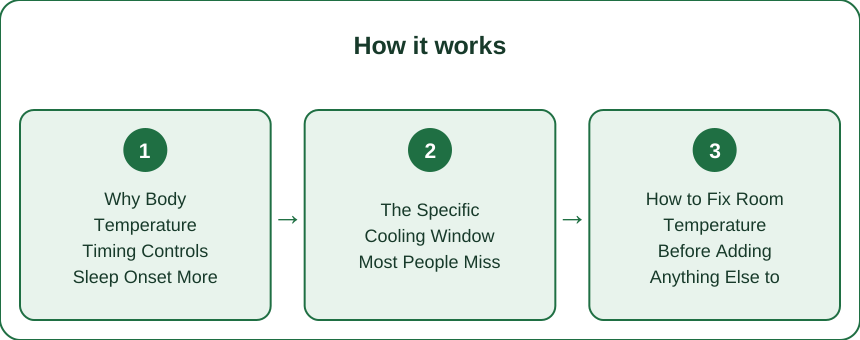
How to Fix Room Temperature Before Adding Anything Else to a Routine
The practical fix order: the check-actual-room-temperature-with-a-simple-thermometer-first (the measuring rather than guessing whether the room is actually in a sleep-supportive range — the measure-dont-guess), the the-adjust-thermostat-or-fan-before-adding-new-rituals (the fixing the temperature variable before layering on teas, apps or supplements — the fix-temperature-first), the the-reassess-sleep-onset-time-after-the-temperature-change-alone (the isolating temperature as a variable to actually see its effect before changing anything else — the isolate-and-reassess), and the frame (measuring, adjusting, and reassessing temperature alone before adding any other routine step — the one fix most nighttime routines skip entirely).
Nighttime routines often stack on rituals while skipping bedroom temperature, even though a core body temperature drop is one of the actual physiological triggers for sleep onset, and a warm room can block that drop no matter how relaxing the rest of the routine is. The fix is cooling the room roughly one to two hours before bed to a range that’s often cooler than what feels merely comfortable, and using a warm shower’s post-shower cooling rebound to reinforce the same natural dip. Before adding new rituals, measure actual room temperature with a simple thermometer, adjust it, and reassess sleep onset time on temperature alone — the one variable most routines never isolate and test.
Keep Reading
This article is for general informational purposes only and is not medical advice. Always consult a qualified health professional for guidance specific to you.