The Sleep-In Debate: Can Weekends Repay the Week's Sleep Debt?
The weekend lie-in feels like justice: five short nights repaid in one glorious Saturday. The sleep science audit returns a mixed verdict — partial repayment, real costs, and a one-hour compromise that keeps most of the pleasure. The debate, settled-ish.

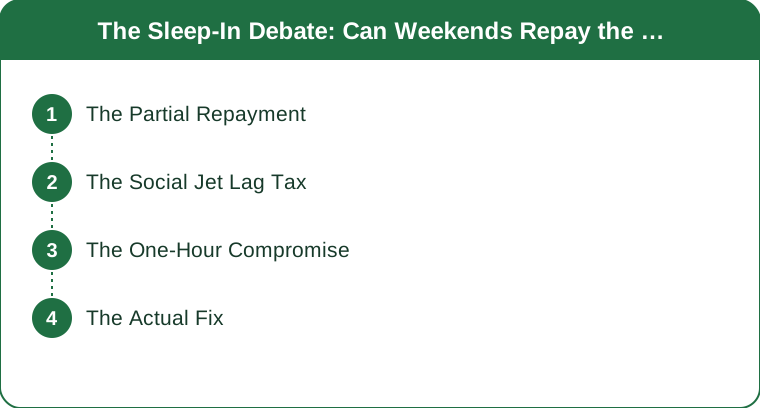
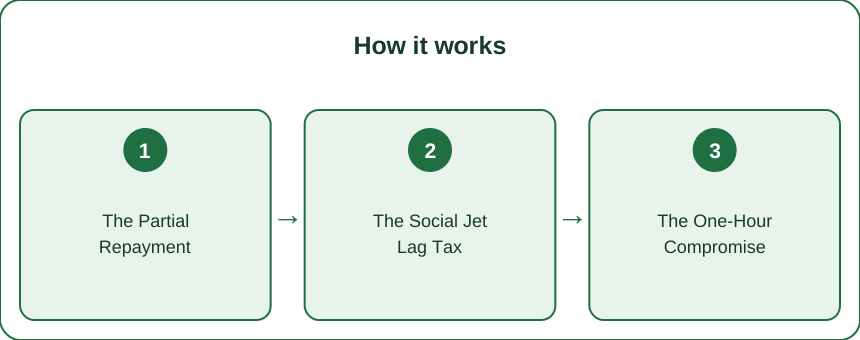
The Partial Repayment
Recovery sleep genuinely repairs some acute debt — alertness and mood rebound after catch-up nights. But the research’s fine print stings: metabolic effects of chronic short sleep don’t fully reverse on weekend schedules, and the debt-repayment metaphor flatters what’s really happening: triage.
The Social Jet Lag Tax
The three-hour Saturday lie-in shifts your body clock like a flight west — and Monday morning arrives as the return flight nobody booked (Sunday insomnia followed by Monday grog is the signature). The lie-in repays sleep debt by taking out a circadian loan.

The One-Hour Compromise
The consensus middle: weekend wake times within ONE hour of weekdays keep the clock anchored, with the nap as the debt-payment instrument (the Saturday afternoon 20-90 minute nap repairs without shifting the clock — the nap is the loophole the lie-in wishes it was).
The Actual Fix
The audit’s real conclusion is upstream: chronic weekday shorting is the disease; weekends are symptom management. The 30-minutes-earlier weekday bedtime out-repairs every Saturday heroic — boring, effective, and the reason the sleep-in debate matters less in well-slept houses.
Sleep in one hour, nap the rest of the debt, fix the weekdays that created it. Saturday was never a bank — it was an emergency room, and the goal is needing it less.
Keep Reading
This article is for general informational purposes only and is not medical advice. Always consult a qualified health professional for guidance specific to you.